

Best Practices for Asset Tracking


Asset tracking is an essential part of any business, regardless of size. Proper asset tracking helps organizations keep track of their assets, maximize the use of their resources, and minimize losses. In today's competitive environment, organizations need to make sure they are using the most effective asset tracking methods in order to remain competitive.
What Is Asset Tracking?
Asset tracking is the process of keeping an accurate record of an organization's assets. This includes inventory, machinery, tools, equipment, and other physical assets. It involves tracking the acquisition, location, and status of assets throughout their lifecycle. The goal is to ensure that the assets are being utilized efficiently and that they can be easily located when needed.
Why Is Asset Tracking Important?
Asset tracking is important for a variety of reasons. It helps organizations keep track of their assets, maximize the use of their resources, and minimize losses. Asset tracking also helps organizations save time and money by reducing the amount of time spent on manual tracking. Additionally, it helps to ensure that assets are properly maintained, which helps to reduce the risk of malfunction or breakage.

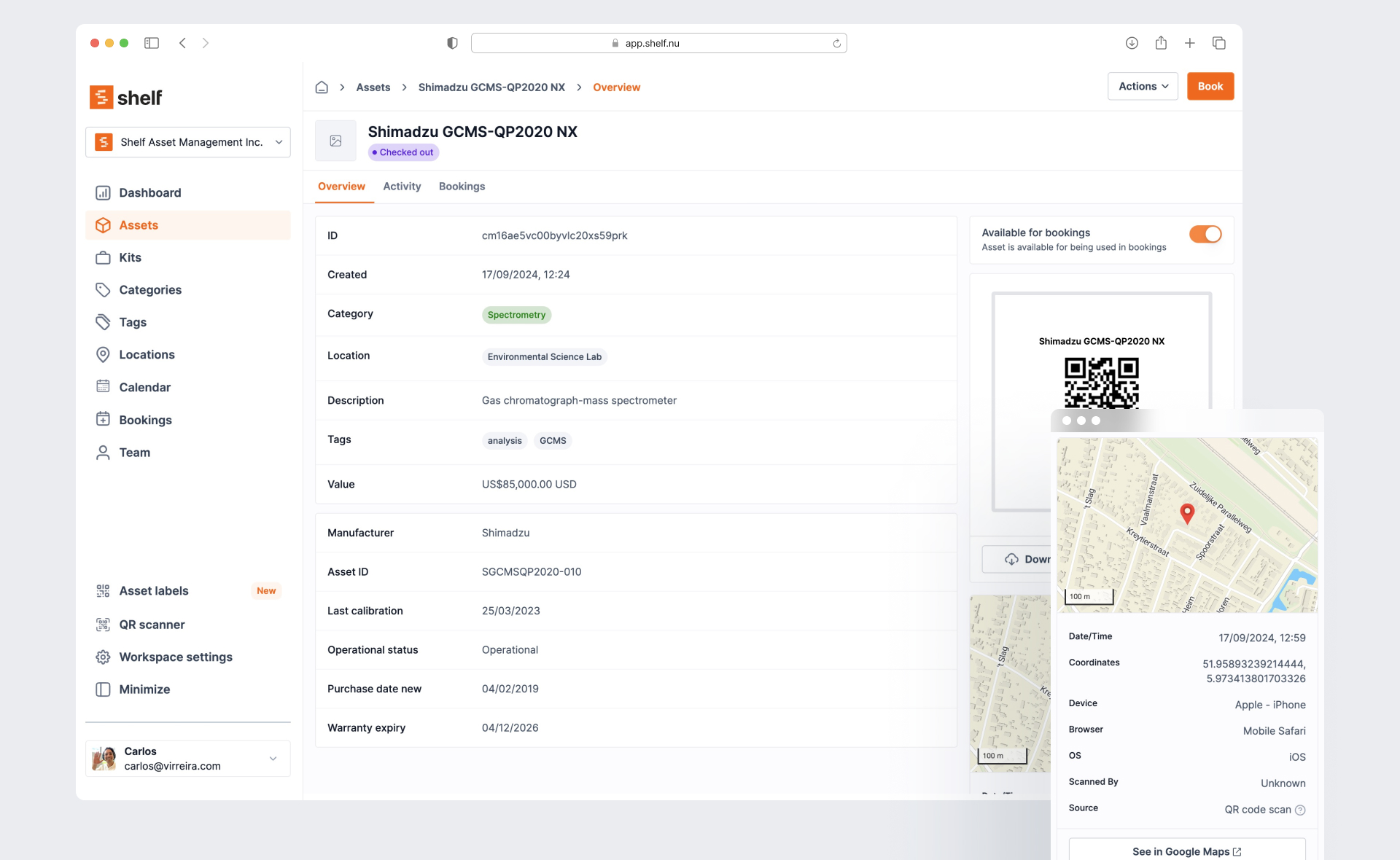
Asset tracking helps team collaborate more efficiently
Best Practices for Asset Tracking
There are several best practices that organizations should consider when it comes to asset tracking.
1. Utilize Automated Tracking
Automated tracking systems make it easier to keep track of assets and their locations. Automated tracking systems can also be integrated with existing systems, such as ERP or CRM systems. This helps to reduce manual data entry and improves accuracy.
2. Use Barcodes or RFID Tags
Barcodes and RFID tags are a great way to track assets. Barcodes can be scanned and provide instant access to information about the asset. RFID tags can be read without having to be scanned, which makes them ideal for tracking assets in hard-to-reach areas.
3. Monitor and Audit Assets Regularly
Regular monitoring and auditing of assets helps to ensure that they are being used correctly and that they are in good condition. This can help to reduce the risk of malfunction or breakage and can also help to identify areas of improvement.
4. Implement Security Protocols
Security protocols such as access control, authentication, and encryption should be implemented in order to protect assets from unauthorized access. This helps to ensure that assets are kept secure and that only authorized personnel can access them.
Conclusion
Asset tracking is an essential part of any business. Utilizing automated tracking systems, barcodes, RFID tags, and security protocols are all important best practices for asset tracking. These best practices can help organizations keep track of their assets, maximize the use of their resources, and minimize losses.
Try Shelf.nu to maximize the use of your resources and minimize losses. Our automated tracking system, QR codes and security protocols can help you easily track and manage your assets. Sign up today and start managing your assets with ease!
Ready to organize your assets?
Join thousands of teams who trust Shelf to manage their physical assets. Free forever, or try the Team plan free for 7 days.
Out in the field? Shelf Companion is free on iPhone & Android.
More from the blog
Asset Panda Pricing in 2026: Plans, Minimums and What It Really Costs
Asset Panda no longer lists prices on its website. Here is every figure we could source and date: its last public price list, third-party reports, seat minimums, extra users, onboarding, and worked totals for three real team shapes.
Asset Register Template (Excel) and Equipment Inventory List
A free fixed asset register template in Excel with straight-line depreciation formulas, plus an equipment inventory list in Excel and CSV that imports into Shelf. What a register must contain, how to fill it in a day, and when a spreadsheet stops being enough.

Asset Tags: Types, Materials, Numbering and Placement
What an asset tag is and what it must carry, tag types and materials compared, a numbering format with check digits, where to put tags on laptops, cameras, tripods, tools, chairs and vehicles, and what government property tags require.