
The Ultimate Guide to Implementing an Asset Registry


How to create an asset registry system
Managing assets is crucial for businesses to run smoothly. An asset registry is a central database that keeps track of a company's assets.
In this guide, we'll explore the benefits, challenges, and best practices of setting up an asset registry, and how Shelf can help.
Benefits of an Asset Registry
An asset registry has many benefits, including:
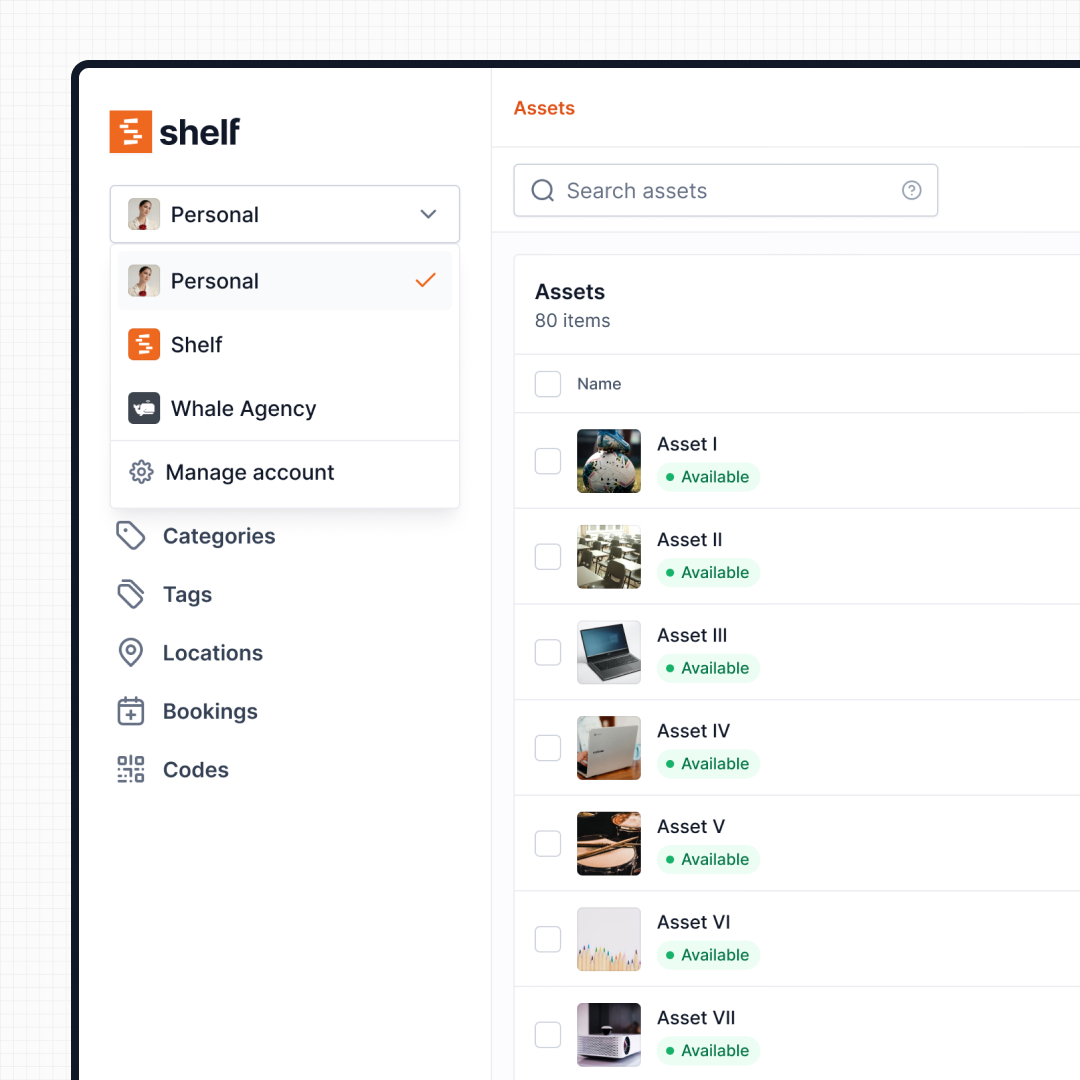
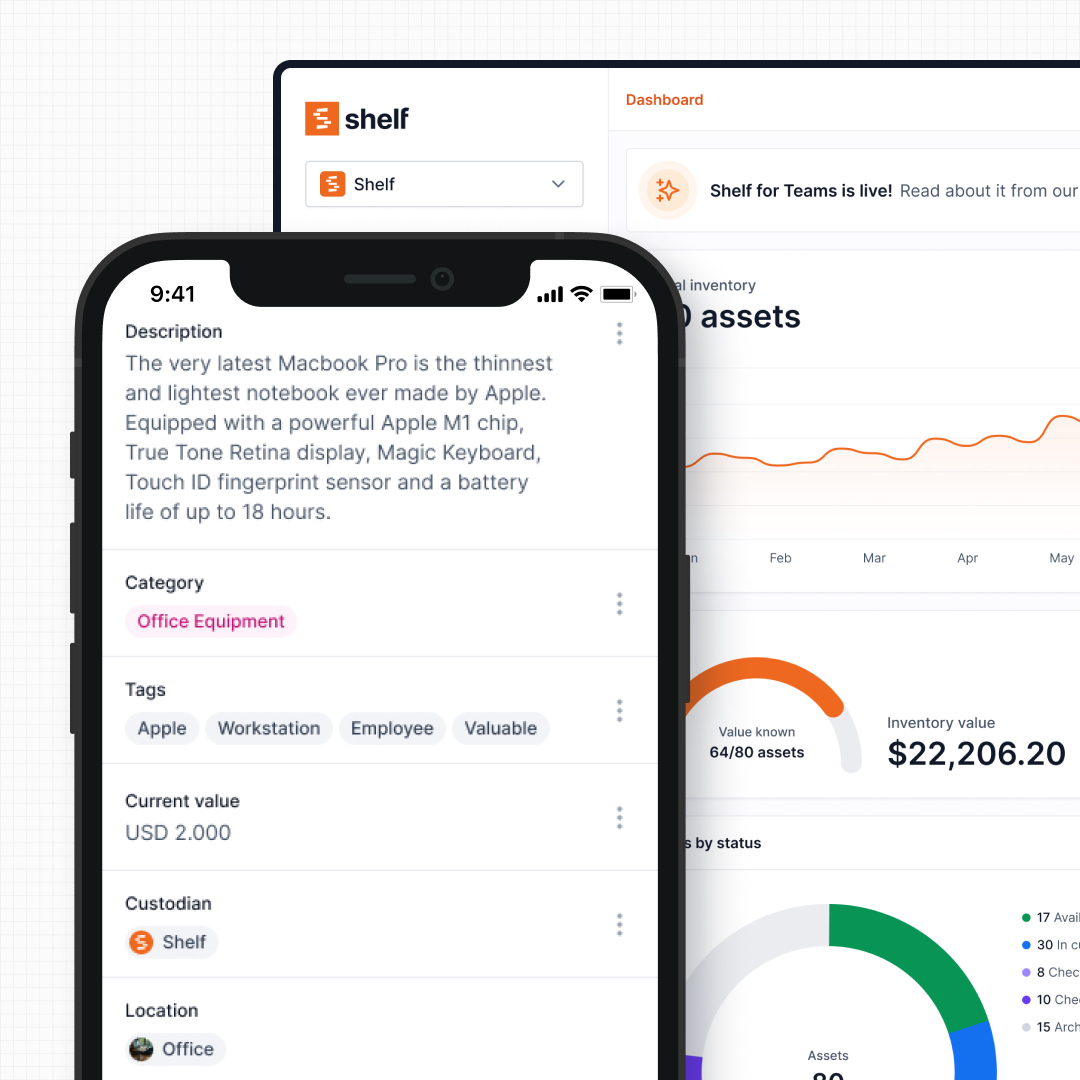
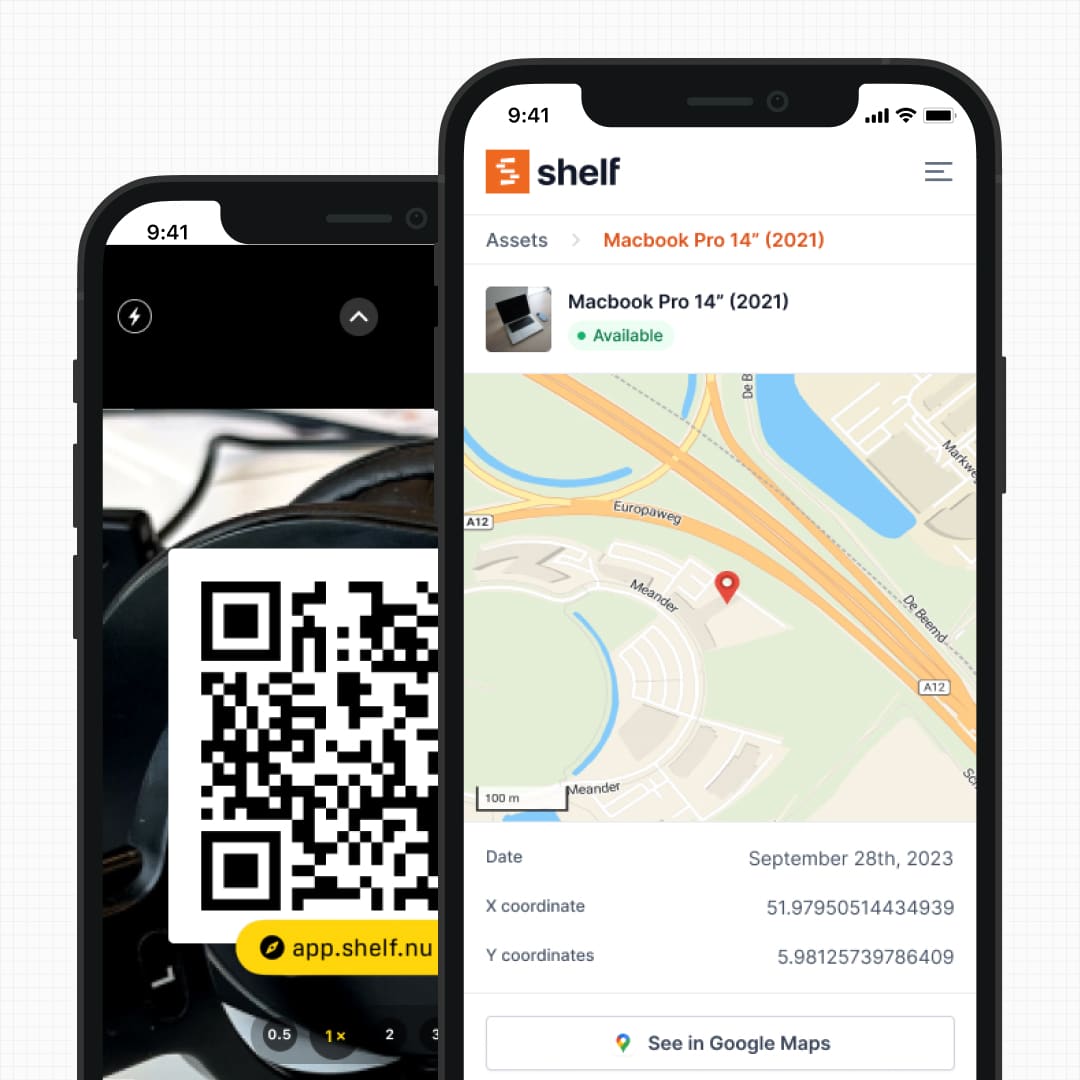
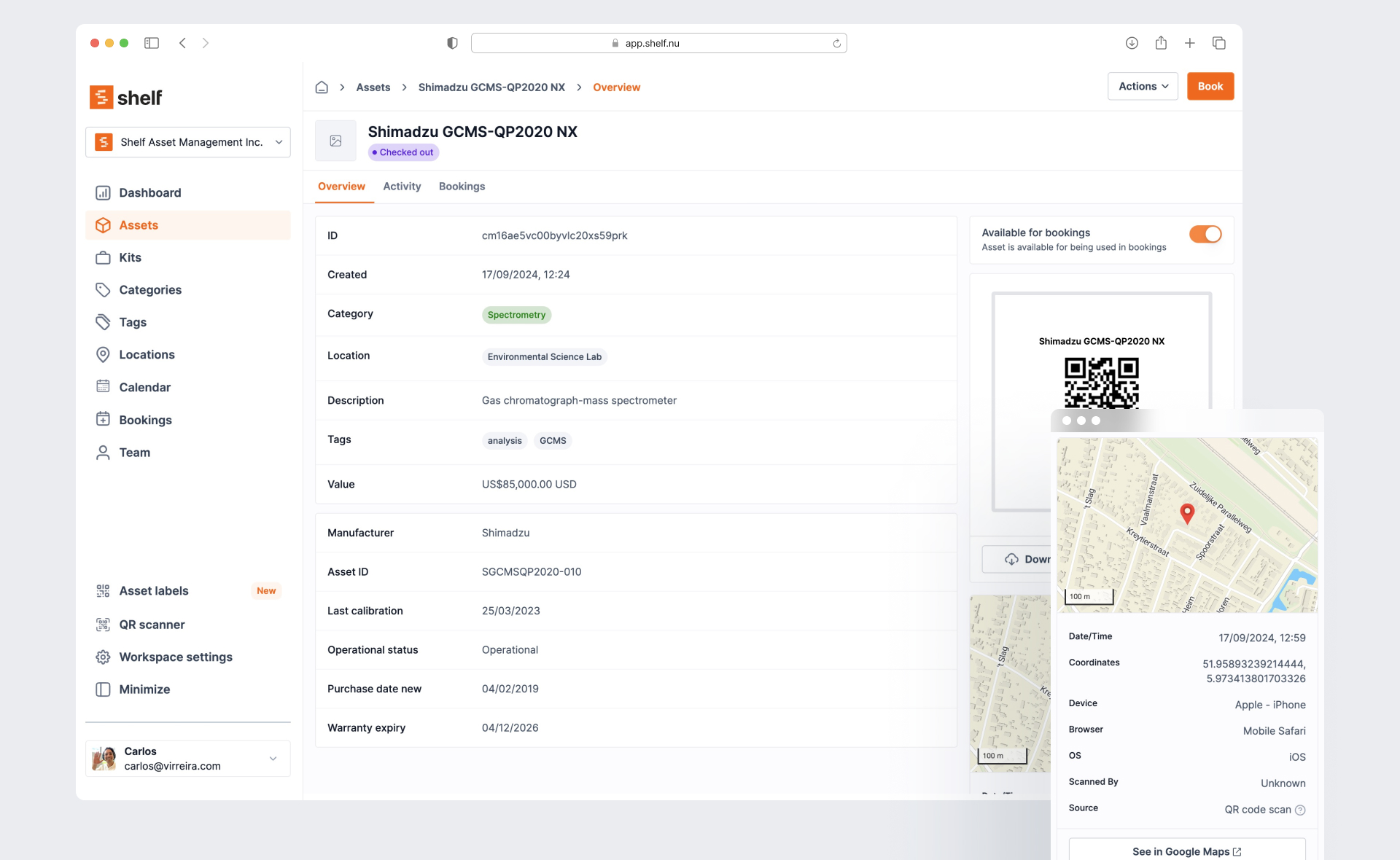
Improved Asset Tracking: A central database keeps accurate and up-to-date information about your assets, making it easy to track and manage them. Shelf's powerful search feature helps you find specific assets and their details. Scanning a Shelf QR asset tag also shows information about each asset.
Better Decision-Making: With detailed asset information, you can make better decisions about maintenance, upgrades, and resource use. Shelf's custom fields and category mapping allow you to create your own logic based on how your business operates and the sort of assets it use.s
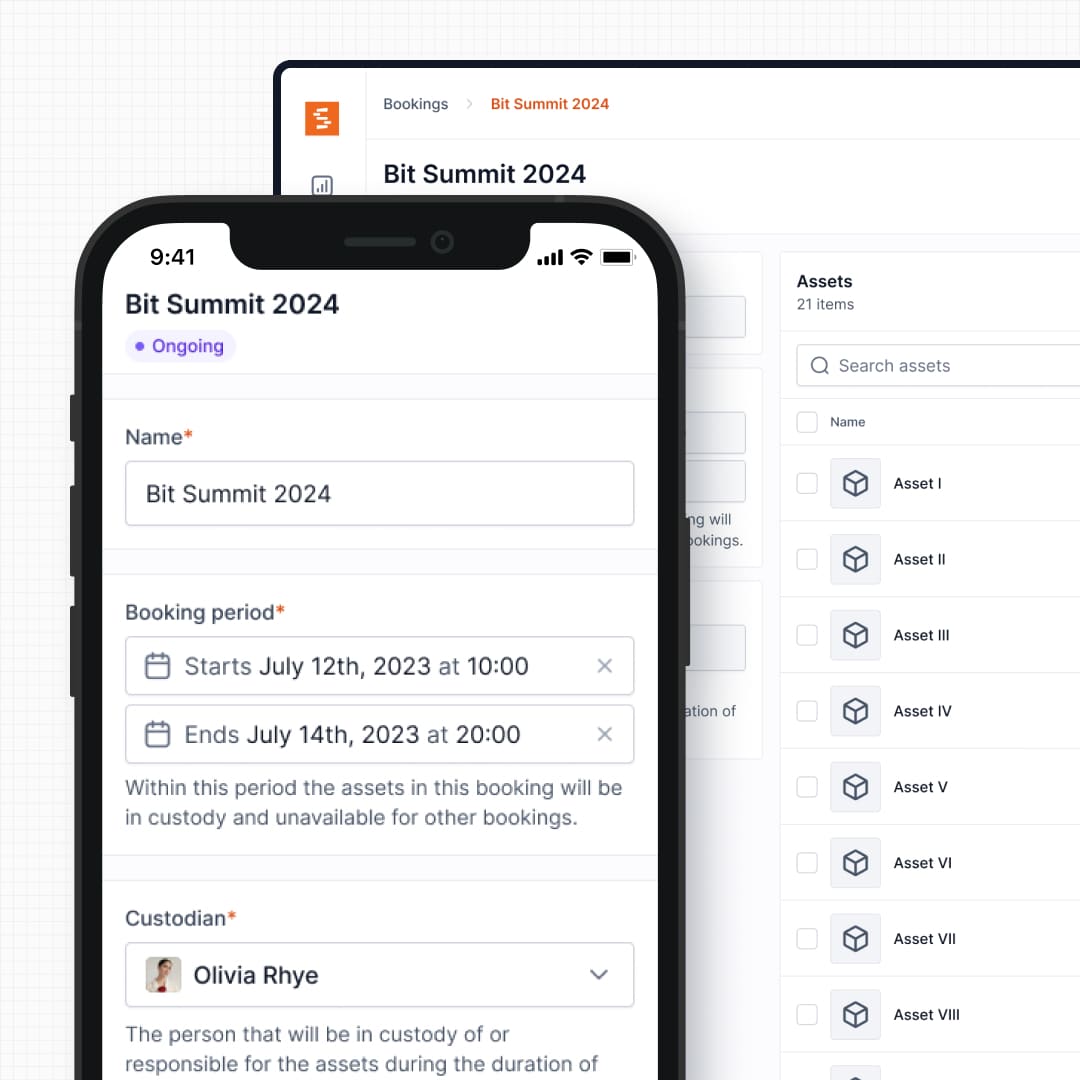
Cost Savings: An asset registry helps find underused or extra assets, letting you optimize resources and reduce waste. By tracking asset locations, check-outs, and bookings, Shelf prevents asset duplication and ensures efficient resource use.
Compliance and Risk Management: A complete asset registry ensures compliance with regulatory requirements and helps reduce risks associated with asset ownership. Shelf's audit trail feature records all asset transactions, ensuring transparency and accountability. Shelf is often used for ISO 27001 certifications.
Challenges of Implementing an Asset Registry
While an asset registry offers many benefits, setting one up can be challenging. Common problems include:
Data Quality and Integrity: Ensuring accurate and consistent data entry is crucial for an effective asset registry. Shelf's CSV import feature, customizable fields, and unclaimed code generation feature help streamline data entry and ensure data quality.
Change Management: Implementing an asset registry may require significant changes to existing processes and workflows, which can be difficult for some organizations. Shelf's user-friendly interface and collaborative workspaces help with a smooth transition and encourage user adoption.
Scalability and Integration: An asset registry must be scalable and integrate seamlessly with existing systems and processes.
Best Practices for Implementing an Asset Registry
To overcome challenges and maximize benefits, follow these best practices:
Define Clear Objectives: Establish clear goals for your asset registry, aligning with your organization's overall strategy. Decide what equipment needs to be tracked and logged before starting. Shelf's customizable fields and categorization features help you define and track key performance indicators (KPIs).
Choose the Right Technology: Select asset registry software that meets your organization's needs and is scalable for future growth. Shelf offers a self-hosted option and Shelf Cloud, a cloud-based version that provides support and constant updates.
Develop a Data Management Plan: Establish a plan for data entry, validation, and maintenance to ensure data quality and integrity. Shelf's data validation features and customizable fields help ensure accurate and consistent data entry. Use 'required' fields on Shelf to enforce strict data validation.
Provide Training and Support: Offer comprehensive training and support for a smooth transition and optimal use of the asset registry, especially for co-administrators. Shelf's collaborative workspaces and user-friendly interface make user adoption easier and reduce training needs.
Shelf Cloud: A Scalable and Supportive Asset Management Solution
Shelf Cloud is a cloud-based version of Shelf that provides a scalable and supportive asset management solution. With Shelf Cloud, you get the benefits of a cloud-based platform, including support and constant updates.
Start Your 14-Day Team Trial Today
Shelf works great in team environments, making it ideal for managing IT assets, tools, equipment, machinery, and more. Each asset gets a QR asset label that can be added to the asset, allowing users to modify information by scanning it. Shelf also maps assets to users, giving enhanced asset visibility.
Industries That Benefit from Shelf
Shelf is used in various industries, including education, B2B, manufacturing, and production. Its flexibility and scalability make it an ideal solution for businesses of all sizes and types.
Professionals Involved in Asset Management
These professionals are typically responsible for or involved in the asset management process:
-
Asset Managers
-
Operations Managers
-
Supply Chain Managers
-
Logistics Coordinators
-
IT Managers
-
Facilities Managers
-
Maintenance Managers
These professionals can benefit from an asset registry, as it helps streamline processes, reduce costs, and improve productivity.
Get started with shelf today
Implementing an asset registry is a key step towards effective asset management. By understanding the benefits, challenges, and best practices, you can make informed decisions and ensure a successful implementation. Shelf's features and functionalities can help overcome common obstacles, providing a robust and scalable asset management solution.
Ready to organize your assets?
Join thousands of teams who trust Shelf to manage their physical assets. Free forever, or try the Team plan free for 7 days.
Out in the field? Shelf Companion is free on iPhone & Android.
More from the blog
Best Equipment Management Software in 2026: An Honest Comparison
A fair, detailed comparison of 7 equipment management tools — Shelf, Cheqroom, Sortly, Snipe-IT, EZOfficeInventory, Asset Panda, and Reftab — with real pricing, honest trade-offs, and guidance by use case.

Film School Equipment Checkout Policies & Best Practices
Film schools and media programs juggle hundreds of cameras, audio kits, and lighting rigs that constantly flow between courses, sets, and student projects. Without a structured policy, even the best cage managers battle bottlenecks, lost lenses, or scheduling conflicts that derail productions. This guide consolidates proven practices from campus equipment rooms, fills gaps left by scattered institutional playbooks, and shows how Shelf’s platform helps document workflows, automate reminders, and drive accountability without resorting to guesswork.

Equipment Management Software for Universities: Streamlining Campus Resources
Learn how equipment management software for universities tracks, manages and schedules campus equipment while improving accountability and student access.